
Leading Foundation Repair Supplies For Long-Term Support
Select from high-quality foundation repair materials that ensure enduring stability and safeguard your home's value.
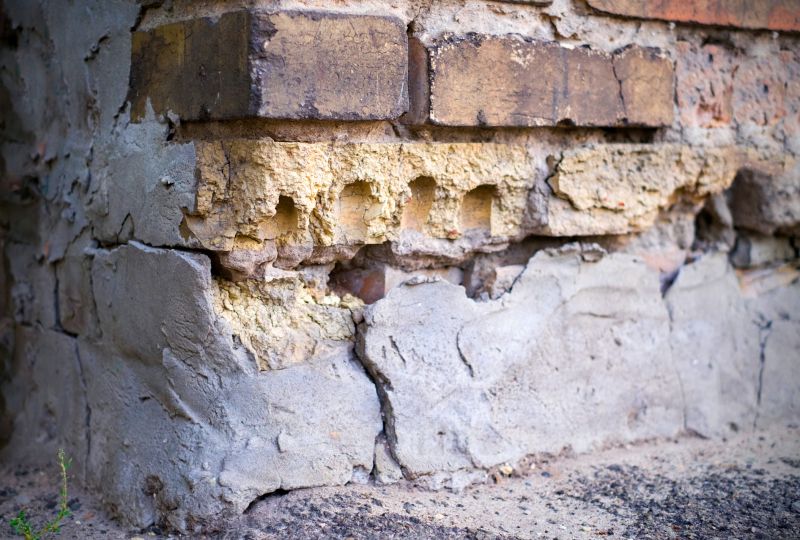 Foundation repairs are a crucial aspect of maintaining the structural integrity of a building. When signs of foundation issues appear, such as cracks, uneven floors, or doors that don't close properly, addressing these concerns promptly can help prevent further damage. The range of products available for foundation repair is diverse, each designed to target specific problems and provide stability. From structural supports to sealing solutions, choosing the right products depends on the nature and extent of the foundation issues.
Top Overall Option
Polyurethane Foam Foundation Sealant
Polyurethane foam foundation sealants are versatile products used to fill small to medium cracks and voids in concrete foundations. They expand upon application, providing an effective seal that prevents water intrusion and further deterioration. Easy to apply with standard caulking equipment, these sealants are suitable for both DIY repairs and professional use, offering a reliable solution for minor cracks and leaks. When selecting a polyurethane foam product, ensure it is compatible with your specific foundation material and designed for indoor or outdoor use as needed.
Types of Products For Foundation Repairs
Helical Piles
Helical piles are deep foundation supports driven into the ground to stabilize and lift sinking structures. They are often used in cases of severe settlement or uneven foundation issues, providing a strong, load-bearing solution.
Push Piers
Push piers are driven into the soil beneath a foundation to lift and stabilize it, especially useful for homes experiencing significant settling or shifting.
Slab Jacking/Polyurethane Foam Injection
This method involves injecting foam beneath concrete slabs to lift and stabilize them, ideal for repairing sunken patios, driveways, or floors.
Carbon Fiber Reinforcement
Carbon fiber strips are used to reinforce cracked walls, providing additional strength and preventing further cracking in foundation walls.
Epoxy Injection
Epoxy resins are injected into cracks to bond and seal them, restoring the structural integrity of concrete elements.
Soil Stabilization Products
These products improve soil stability around the foundation, reducing the risk of shifting caused by soil movement.
Waterproofing Membranes
Applied to foundation walls, waterproof membranes prevent water infiltration, protecting against moisture-related damage.
Underpinning Systems
Underpinning involves extending the foundation depth to more stable soil layers, often using pier systems or other supports.
Grout and Mortar Patching
Used to fill larger cracks or voids in foundation walls, providing structural support and preventing water ingress.
Foundation Braces and Supports
Temporary or permanent braces are installed to stabilize walls and prevent further movement during repairs.
Drainage Systems
Proper drainage solutions, including French drains and sump pumps, help redirect water away from the foundation, reducing soil pressure.
Concrete Patching Compounds
These compounds repair surface cracks and spalling, restoring the appearance and integrity of concrete surfaces.
Anchor Bolts and Plates
Used to secure and reinforce foundation walls, especially in cases of bowing or cracking.
Grouting and Filling Materials
Materials designed to fill voids and stabilize soil or foundation elements, ensuring load transfer and stability.
Popular Choices
These kits are commonly used for lifting and stabilizing sunken concrete slabs with minimal excavation.
A popular method for strengthening cracked basement walls and preventing further cracking.
Frequently selected for foundation stabilization in cases of significant settlement.
Widely used for sealing cracks in foundation walls and floors to restore structural integrity.
French drains and sump pumps are common choices for managing water around foundations.
Popular for extending and strengthening existing foundations, especially in older structures.
Applied to basement walls, these membranes are a common choice for moisture protection.
Used for patching and restoring cracked or spalled concrete surfaces.
Often selected to improve soil conditions before foundation repair work begins.
A frequent choice for reinforcing and stabilizing foundation walls.
Commonly used to fill voids and stabilize soil or foundation elements.
Popular for temporary stabilization during repair processes.
Effective solutions for redirecting water away from vulnerable foundation areas.
Used for sealing small cracks and preventing water infiltration.
In Ypsilanti, MI, where soil conditions and weather patterns can influence foundation stability, selecting appropriate repair products is essential. Proper application and compatibility with local soil types ensure that repairs are effective and long-lasting. It's advisable to consult with foundation repair specialists or contractors to assess the specific needs of your property and determine the most suitable products.
While some products are intended for minor fixes, others are designed for more extensive structural reinforcement. Understanding the different types of repair products, their uses, and installation requirements can help homeowners and property managers make informed decisions. Always prioritize products that meet safety standards and come with clear instructions for proper installation.
Investing in quality foundation repair products can contribute to the overall safety and value of your property. Regular inspections and timely repairs using appropriate materials will help maintain the stability of your building for years to come. Remember, foundation issues should never be ignored, and selecting the right products is a vital step toward effective remediation.
Key Buying Considerations
- Assess the extent and severity of the foundation issues to determine the appropriate product type.
- Ensure compatibility of the repair products with your foundation material, whether concrete, brick, or block.
- Consider the soil conditions and local climate in Ypsilanti, MI, which can influence repair effectiveness.
- Check product specifications for indoor or outdoor use, especially for waterproofing or sealing products.
- Review the installation requirements and whether professional assistance is recommended or necessary.
- Verify that the products meet relevant safety and quality standards for structural repairs.
- Evaluate the ease of application, especially if opting for DIY solutions, to ensure proper usage.
- Consider the long-term durability and whether the product includes warranties or guarantees.
- Look into the product’s resistance to water, moisture, and temperature fluctuations common in Michigan.
- Factor in the cost and whether multiple products or additional materials are needed for comprehensive repair.
- Research customer reviews and expert recommendations for insights into product performance.
- Determine if the product can be integrated with other repair methods for a comprehensive solution.
- Check for availability of technical support or guidance from manufacturers or suppliers.
- Consider environmental factors, such as soil moisture levels and drainage, to support the longevity of repairs.
- Ensure that the product’s application aligns with your timeline and project scope.